
What Happens If Your Pool Fails Inspection?
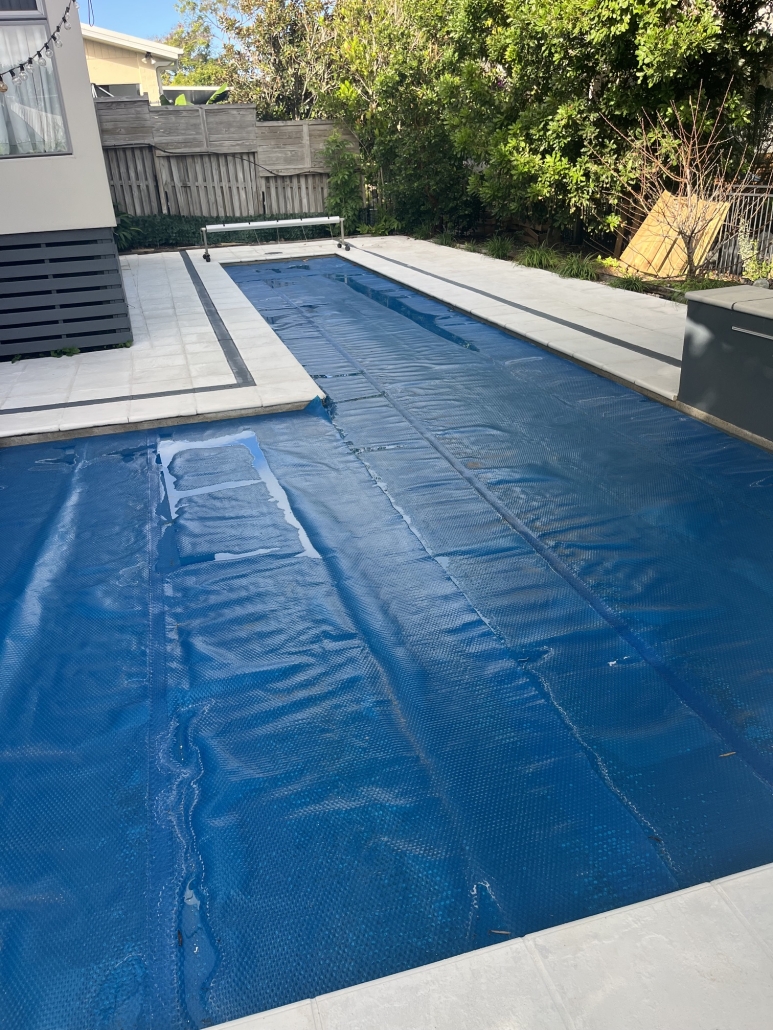
Hearing that your swimming pool has failed a Pool Safety Inspection can be disappointing, but it is important to understand that it does not mean your pool is unsafe or that major repairs are required.
In fact, after inspecting hundreds of swimming pools across the Gold Coast, I have found that most failed inspections are the result of relatively minor maintenance issues that have developed over time.
A failed inspection should be viewed as an opportunity to identify any compliance issues and rectify them before a Pool Safety Certificate is issued.
Why Do Pools Fail?
Queensland pool safety legislation is designed to reduce the risk of young children gaining unsupervised access to swimming pools.
During an inspection, every part of the pool barrier is assessed to ensure it complies with the required safety standards.
Some of the most common reasons a pool fails inspection include:
- Gates that no longer self-close or self-latch correctly.
- Outdoor furniture positioned within the 900mm non-climb zone.
- Pot plants or decorative items creating climb hazards.
- Missing or damaged CPR signs.
- Garden taps or hose reels creating footholds.
- Boundary fences that have moved over time.
- Excessive gaps beneath or between fencing.
- Glass gate hinges requiring adjustment.
Many homeowners are surprised to discover that these relatively small issues are far more common than major structural defects.
What Happens After a Failed Inspection?
If your pool barrier does not comply, your licensed Pool Safety Inspector will explain each item that requires attention.
You will be advised of the specific areas that need rectification before a Pool Safety Certificate can be issued.
Our aim is not simply to identify defects, but to explain them clearly and provide practical guidance on how compliance can be achieved.
Understanding exactly what needs to be done helps property owners organise repairs quickly and efficiently.
Completing the Rectification Work
Once the non-compliant items have been identified, the required work can be completed.
Depending on the issues found, rectification may include:
- Adjusting or replacing gate hinges.
- Realigning magnetic latches.
- Installing a compliant CPR sign.
- Removing outdoor furniture or pot plants from the non-climb zone.
- Installing a compliant 60-degree cover over a garden tap.
- Trimming vegetation.
- Repairing or realigning boundary fencing.
- Correcting excessive gaps beneath fencing.
- Removing climb hazards such as chain wire or installing compliant shielding where appropriate.
Many compliance issues can be resolved quickly and at relatively low cost.
The Reinspection Process
Once the rectification work has been completed, a reinspection is arranged.
During the reinspection, the previously identified compliance issues are checked to confirm they have been corrected.
If the pool barrier now complies with Queensland pool safety legislation, a Form 23 Pool Safety Certificate can be issued.
For most property owners, this is simply the final step in the compliance process.
Can Most Pools Be Made Compliant?
Yes.
The vast majority of pools we inspect are able to achieve compliance after relatively straightforward maintenance or minor repairs.
Recent examples include:
- Relocating outdoor furniture away from a glass pool fence.
- Rehanging an aluminium gate using adjustable hinges.
- Installing packing behind a magnetic gate latch to ensure correct engagement.
- Fitting a compliant tap cover to remove a climb hazard.
- Replacing a missing CPR sign.
- Removing planter boxes from the non-climb zone.
- Repairing a boundary fence that had moved and created excessive gaps.
These are all practical solutions that restored compliance without major reconstruction.
How Can You Reduce the Risk of Failing?
The easiest way to avoid a failed inspection is to prepare your pool beforehand.
Before your inspection:
- Check that all gates self-close and self-latch.
- Remove furniture, pot plants and other climbable objects from around the barrier.
- Ensure your CPR sign is installed and clearly visible.
- Trim vegetation near the fence.
- Check that gates open freely and are not scraping on the ground.
- Look for any obvious gaps beneath or between fencing.
Taking a few minutes to complete these checks can often prevent unnecessary delays.
From the Inspector
One of the first things I tell clients after a failed inspection is not to panic.
Most pools fail because of small maintenance issues rather than major construction problems.
The objective of the inspection is to identify those issues, explain them clearly and help you achieve compliance as quickly as possible.
In my experience, homeowners appreciate understanding exactly what is required, and most are pleasantly surprised at how straightforward many rectification works are.
Why Choose Pool Compliance Gold Coast?
Pool Compliance Gold Coast provides professional Pool Safety Inspections for:
- Homeowners
- Property Sellers
- Landlords
- Property Managers
- Real Estate Agencies
- Body Corporates
We proudly service:
- Helensvale
- Hope Island
- Paradise Point
- Runaway Bay
- Coomera
- Upper Coomera
- Robina
- Benowa
- Ashmore
- Southport
- Burleigh Waters
- Broadbeach Waters
- Mermaid Waters
and all surrounding Gold Coast suburbs.
We believe in providing practical advice, clear communication and professional service to help property owners achieve compliance as efficiently as possible.
Related Articles
- What Happens During a Pool Safety Inspection?
- Preparing Your Pool for Inspection – A Simple Checklist
- Five Common Reasons Gold Coast Pools Fail Inspection
- Understanding Form 23 and Form 26
Contact Pool Compliance Gold Coast
Pool Compliance Gold Coast
Licensed Pool Safety Inspector
✔ Pool Safety Inspections
✔ Pool Safety Certificates
✔ Rental Property Pool Safety Inspections
✔ Pre-Sale Pool Safety Inspections
✉ info@poolcompliancegoldcoast.com.au
🌐 www.poolcompliancegoldcoast.com.au
If your pool has failed an inspection or you would like practical advice before arranging one, contact Pool Compliance Gold Coast today. We’ll explain the process clearly and help you achieve compliance as quickly and efficiently as possible.

