
Understanding Form 23 and Form 26
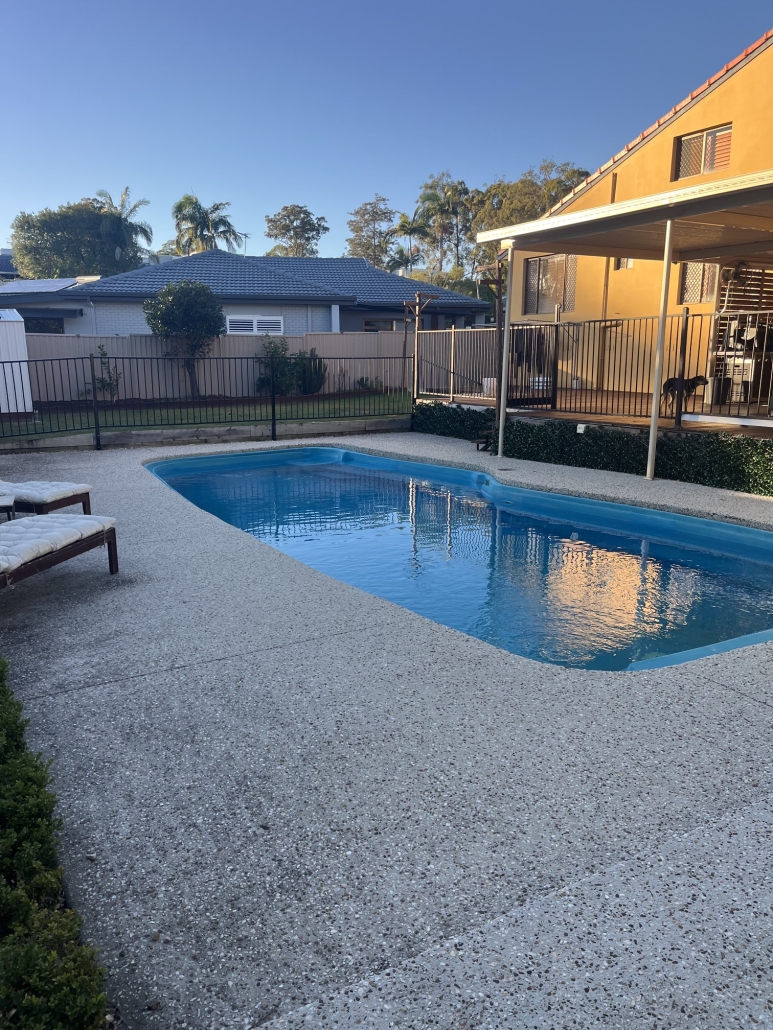
If you’ve recently arranged a Pool Safety Inspection, you may have heard the terms Form 23 and Form 26. These are the two documents most commonly associated with Queensland pool safety inspections, yet many homeowners, landlords and property managers are unsure what they actually mean.
Understanding these forms can make the inspection process much easier and help you know exactly what happens if your pool complies—or if it requires further work.
What Is a Form 23?
A Form 23 is the official Pool Safety Certificate issued by a licensed Pool Safety Inspector.
It confirms that, at the time of inspection, the swimming pool barrier complied with Queensland pool safety legislation.
A Form 23 may be required for a variety of situations, including:
- Selling a property with a regulated swimming pool.
- Rental property requirements.
- Providing evidence that the pool barrier complies with Queensland legislation.
- Giving buyers, landlords or property managers confidence that the pool barrier has been professionally inspected.
Receiving a Form 23 means your pool barrier has successfully met the required safety standards at the time it was inspected.
What Is a Form 26?
If a pool barrier does not comply during an inspection, a Form 26 – Notice of Nonconformity may be issued.
A Form 26 identifies the areas of the pool barrier that require rectification before a Pool Safety Certificate can be issued.
Rather than simply stating that the pool has failed, the notice provides property owners with clear information about the non-compliant items so they understand what needs to be corrected.
The purpose of the notice is to help guide the compliance process—not to penalise property owners.
Why Might a Form 26 Be Issued?
The most common reasons include:
- Pool gates that do not self-close or self-latch correctly.
- Outdoor furniture or pot plants within the non-climb zone.
- Missing or damaged CPR signs.
- Excessive gaps beneath or between fencing.
- Garden taps, hose reels or pool equipment creating climb hazards.
- Boundary fences that have moved over time.
- Glass gate hinges or latching mechanisms requiring adjustment.
Most of these issues are maintenance-related and are often straightforward to rectify.
What Happens After Receiving a Form 26?
If you receive a Form 26, don’t be alarmed.
Your Pool Safety Inspector will explain the identified compliance issues and outline what is required to achieve compliance.
Once the necessary rectification work has been completed, a reinspection can be arranged.
If the barrier then complies with Queensland pool safety legislation, a Form 23 Pool Safety Certificate can be issued.
For many property owners, this is simply a normal part of the certification process.
Can Most Pools Achieve Compliance?
Yes.
In our experience, the majority of pools requiring a Form 26 are able to achieve compliance after relatively minor rectification work.
Examples include:
- Adjusting self-closing gate hinges.
- Realigning magnetic gate latches.
- Installing a compliant CPR sign.
- Removing furniture or pot plants from the non-climb zone.
- Installing a compliant tap cover.
- Repairing sections of boundary fencing.
- Removing climb hazards created by landscaping or stored items.
Most rectification work can be completed quickly once the issues have been identified.
From the Inspector
Many clients become concerned when they hear the words “Form 26.”
I always explain that it simply identifies the items requiring attention before a Pool Safety Certificate can be issued.
Most pools I inspect that receive a Form 26 only require relatively minor adjustments. Once those items have been addressed, a reinspection can usually be arranged promptly, allowing the Form 23 Pool Safety Certificate to be issued.
Why Choose Pool Compliance Gold Coast?
Pool Compliance Gold Coast provides professional Pool Safety Inspections for:
- Homeowners
- Property Sellers
- Landlords
- Property Managers
- Real Estate Agencies
- Body Corporates
We proudly service:
- Helensvale
- Hope Island
- Paradise Point
- Runaway Bay
- Coomera
- Upper Coomera
- Robina
- Benowa
- Ashmore
- Southport
- Burleigh Waters
- Broadbeach Waters
- Mermaid Waters
and all surrounding Gold Coast suburbs.
We provide prompt inspections, practical advice and professional service to help property owners achieve compliance with Queensland pool safety legislation.
Related Articles
- What Happens During a Pool Safety Inspection?
- What Happens If Your Pool Fails Inspection?
- Preparing Your Pool for Inspection – A Simple Checklist
- Why Choose a Licensed Pool Safety Inspector?
Contact Pool Compliance Gold Coast
Pool Compliance Gold Coast
Licensed Pool Safety Inspector
✔ Pool Safety Inspections
✔ Pool Safety Certificates
✔ Rental Property Pool Safety Inspections
✔ Pre-Sale Pool Safety Inspections
✉ info@poolcompliancegoldcoast.com.au
🌐 www.poolcompliancegoldcoast.com.au
Whether you require a Pool Safety Certificate, have received a Form 26, or simply need professional advice, contact Pool Compliance Gold Coast today. We’re here to guide you through the process and help you achieve compliance as efficiently as possible.

