
Five Common Reasons Gold Coast Pools Fail Inspection
One of the questions I’m asked most often is, “What usually causes a pool to fail inspection?”
After inspecting hundreds of swimming pools throughout the Gold Coast, the answer is surprisingly simple.
Most pools don’t fail because of major construction defects. Instead, they fail because of relatively minor maintenance issues that have gradually developed over time.
The good news is that many of these issues are inexpensive and straightforward to rectify once identified.
Here are the five most common reasons we see pools fail inspection.
- Climbable Objects Within the Non-Climb Zone
This is by far the most common issue identified during inspections.
Queensland pool safety legislation requires a non-climb zone around the pool barrier. Any object that can be used as a foothold may reduce the effectiveness of the barrier.
Examples include:
- Outdoor furniture.
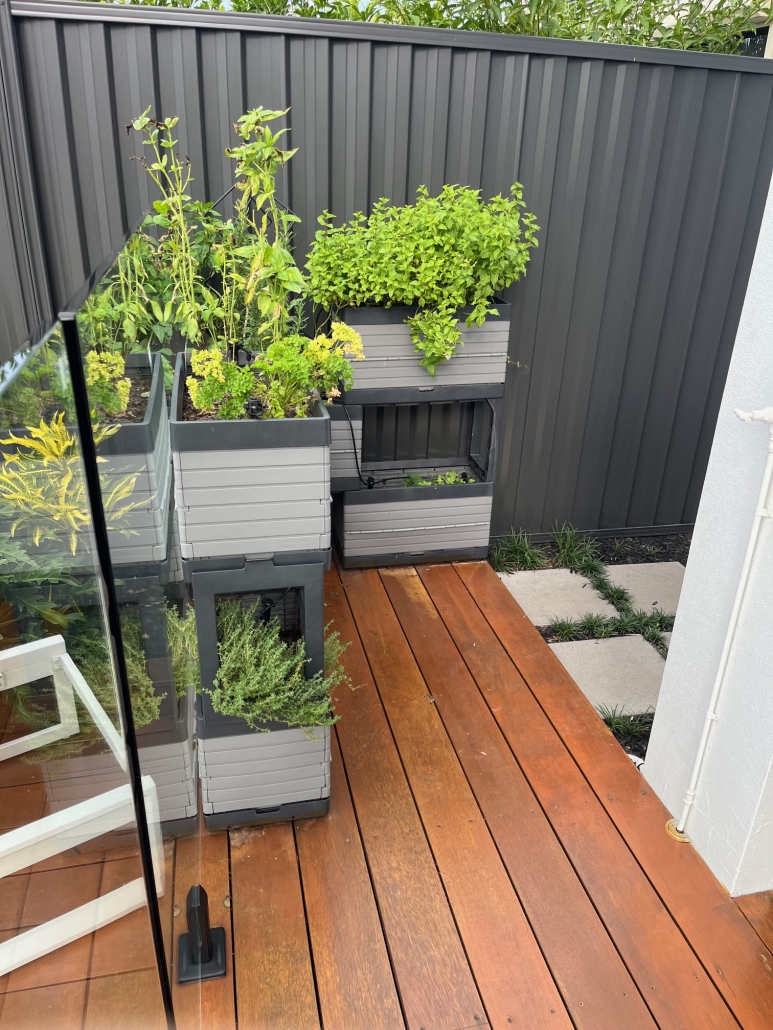
- Pot plants.
- Storage boxes.
- BBQs.
- Children’s toys.
- Eskies.
- Garden ornaments.
During one recent inspection, outdoor furniture had been positioned directly beside a glass pool fence. Although the fence itself complied, the furniture reduced the effective barrier height and resulted in a failed inspection until it was relocated.
- Pool Gates That Don’t Self-Close or Self-Latch
Pool gates are designed to automatically close and securely latch every time they are opened.
Over time, hinges wear, gates drop slightly and latches move out of alignment.
During inspections we regularly find gates that:
- Close slowly.
- Stop before latching.
- Catch on the latch.
- Require manual assistance to close.
Fortunately, many of these issues can be corrected with simple hinge or latch adjustments.
- Missing or Non-Compliant CPR Signs
Every regulated swimming pool in Queensland must display a compliant CPR sign that is clearly visible from inside the pool enclosure.
A missing, damaged or faded CPR sign is a common reason for a failed inspection.
In many cases, replacing the sign is a simple and inexpensive solution that allows compliance to be achieved quickly.
- Climb Hazards Created by Taps, Hose Reels and Equipment
Many homeowners are surprised to learn that items attached to the outside of the pool barrier can also become compliance issues.
Common examples include:
- Garden taps.
- Hose reels.
- Pool pumps.
- Junction boxes.
- Filter equipment.
If these items create a foothold within the non-climb zone, they may reduce the effectiveness of the barrier.
During one inspection, a garden tap positioned beside a glass pool fence created a climb hazard. Installing an approved 60-degree tap cover eliminated the foothold while allowing the tap to remain fully functional.
- Boundary Fence Movement and Excessive Gaps
Many pool barriers incorporate an existing boundary fence.
As fences age they can move, lean or settle, creating excessive gaps beneath or between fencing.
Ground movement may also prevent gates from opening freely or self-closing correctly.
In one inspection, movement of a boundary fence caused sections of the pool barrier to separate, creating gaps greater than the maximum permitted under Queensland legislation. The adjoining chain wire fence also created a significant climb hazard that required rectification before compliance could be achieved.
Most Compliance Issues Are Easily Fixed
The encouraging news for homeowners is that most failed inspections involve maintenance rather than major construction work.
Simple actions such as:
- Adjusting gate hinges.
- Moving outdoor furniture.
- Installing a new CPR sign.
- Relocating pot plants.
- Removing climb hazards.
- Adjusting magnetic gate latches.
are often all that’s required to achieve compliance.
From the Inspector
One thing I’ve learnt after inspecting pools throughout the Gold Coast is that homeowners are usually surprised by what actually causes a failed inspection.
Very rarely is it because the fence itself is inadequate.
More often, it’s the small changes that occur over time—an outdoor chair moved closer to the fence, a gate that has gradually dropped on its hinges, a missing CPR sign or a tap creating a foothold.
Regular maintenance and a professional inspection before you need a Pool Safety Certificate can save both time and unnecessary expense.
Why Choose Pool Compliance Gold Coast?
Pool Compliance Gold Coast provides professional Pool Safety Inspections for:
- Homeowners
- Property Sellers
- Landlords
- Property Managers
- Real Estate Agencies
- Body Corporates
We proudly service:
- Helensvale
- Hope Island
- Paradise Point
- Runaway Bay
- Coomera
- Upper Coomera
- Robina
- Benowa
- Ashmore
- Southport
- Burleigh Waters
- Broadbeach Waters
- Mermaid Waters
and all surrounding Gold Coast suburbs.
Our inspections are thorough, practical and focused on helping property owners understand exactly what is required to achieve compliance.
Related Articles
- What Happens During a Pool Safety Inspection?
- Preparing Your Pool for Inspection – A Simple Checklist
- What Happens If Your Pool Fails Inspection?
- Understanding Form 23 and Form 26
Contact Pool Compliance Gold Coast
Pool Compliance Gold Coast
Licensed Pool Safety Inspector
✔ Pool Safety Inspections
✔ Pool Safety Certificates
✔ Rental Property Pool Safety Inspections
✔ Pre-Sale Pool Safety Inspections
✉ info@poolcompliancegoldcoast.com.au
🌐 www.poolcompliancegoldcoast.com.au
Need a Pool Safety Inspection? Contact Pool Compliance Gold Coast today for prompt, professional service and practical advice from an experienced licensed Pool Safety Inspector.

