
Boundary Pool Fencing
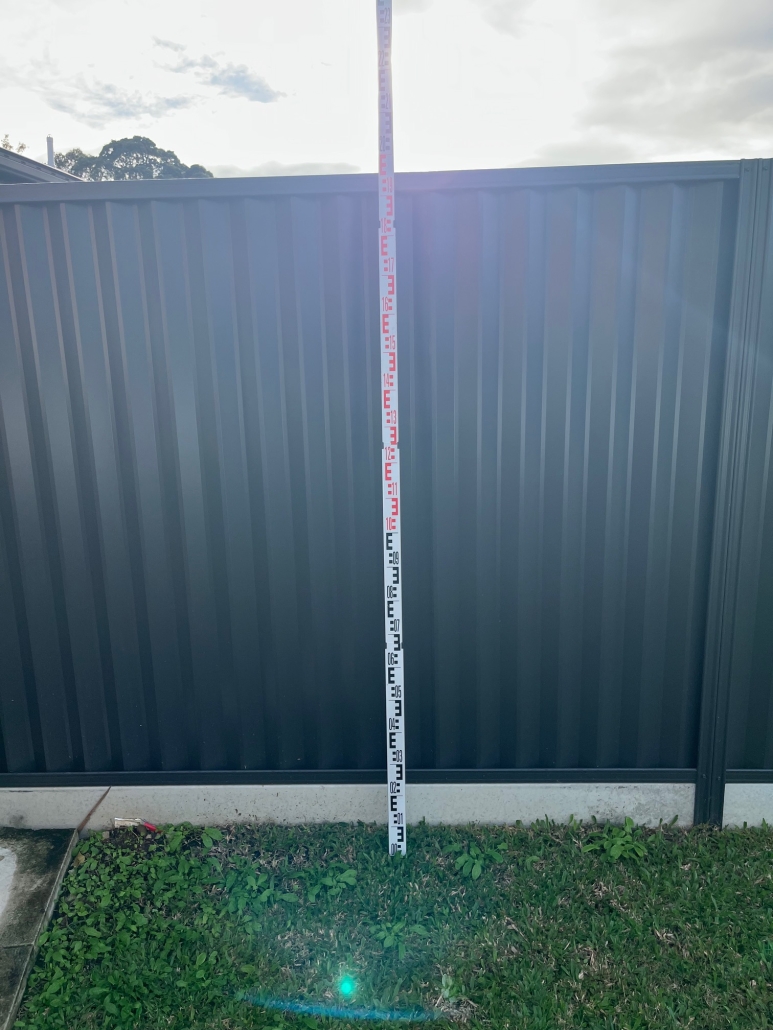
Many swimming pools on the Gold Coast use an existing boundary fence as part of the approved pool safety barrier. This is a practical and cost-effective solution, but it also means that the boundary fence must comply with Queensland pool safety legislation.
A common misconception is that because a boundary fence separates neighbouring properties, it doesn’t need to meet the same standards as the rest of the pool fence.
In reality, if the boundary fence forms part of the pool barrier, it is inspected just as carefully as every other section of fencing.
Can a Boundary Fence Be Part of a Pool Barrier?
Yes.
Timber, masonry, Colorbond and some other boundary fences can form part of a compliant pool barrier provided they meet Queensland pool safety requirements.
The boundary fence becomes an integral part of the safety barrier and must continue to perform that role throughout its life.
If the fence deteriorates, moves or develops defects, the entire pool barrier may become non-compliant.
What Is Checked During an Inspection?
During a Pool Safety Inspection, a boundary fence is checked for:
- Overall height.
- Structural stability.
- Excessive gaps beneath or between fence sections.
- Loose or damaged panels.
- Climbable objects.
- Gates incorporated into the fence.
- Ground levels beside the fence.
- Vegetation creating climb hazards.
Every section of the fence is assessed to ensure it continues to provide an effective barrier.
Common Compliance Issues
Some of the most common problems we identify include:
- Boundary fences leaning over time.
- Fence posts becoming loose.
- Excessive gaps developing beneath the fence.
- Garden beds increasing the effective ground level.
- Planter boxes positioned beside the fence.
- Full-height chain wire creating a climb hazard.
- Trees or shrubs providing climbing access.
- Gates that no longer self-close or self-latch.
Many of these issues develop gradually and often go unnoticed until a Pool Safety Inspection is carried out.
A Real Inspection Example – Southport
During a recent inspection in Southport, movement of the rear boundary fence caused the adjoining pool fence to separate, creating a gap greater than the maximum permitted under Queensland legislation.
The boundary fence also included full-height chain wire mesh that created a significant climb hazard.
To restore compliance, the boundary fence was straightened and secured, the pool barrier was reattached to eliminate the excessive gap, and the chain wire required rectification to remove the climb hazard before a Pool Safety Certificate could be issued.
A Real Inspection Example – Coomera
At another inspection in Coomera, the rear boundary fence formed part of the approved pool barrier.
During the owner’s move into the property, several large planter boxes had been placed against the fence, creating climbable objects within the non-climbable zone.
The rear gate had also not been used for some time, allowing soil and debris to build up beneath it. As a result, the gate could no longer open freely and would not self-close correctly.
Once the planter boxes were removed and the ground level beneath the gate was lowered, the gate operated correctly and the barrier achieved compliance.
Maintaining Your Boundary Fence
Regular inspections and simple maintenance can help prevent compliance issues.
We recommend:
- Checking that fence posts remain straight and secure.
- Looking for movement after storms or heavy rain.
- Removing climbable objects from beside the fence.
- Trimming vegetation regularly.
- Keeping ground levels below the gate.
- Testing any gates to ensure they self-close and self-latch.
- Repairing damaged fence panels promptly.
A few simple checks each year can significantly reduce the likelihood of a failed inspection.
From the Inspector
Boundary fences are often overlooked because homeowners don’t think of them as “pool fences.”
However, if your boundary fence forms part of your pool barrier, it is just as important as the glass, aluminium or timber fencing around the rest of the pool.
Many of the issues I find involve gradual movement, landscaping changes or stored items placed against the fence. Addressing these early is usually straightforward and can save time and money when your Pool Safety Inspection is due.
Why Choose Pool Compliance Gold Coast?
Pool Compliance Gold Coast provides professional Pool Safety Inspections for:
- Homeowners
- Property Sellers
- Landlords
- Property Managers
- Real Estate Agencies
- Body Corporate Managers
We proudly service:
- Helensvale
- Hope Island
- Paradise Point
- Runaway Bay
- Biggera Waters
- Parkwood
- Ashmore
- Benowa
- Carrara
- Clear Island Waters
- Robina
- Varsity Lakes
- Broadbeach Waters
- Mermaid Waters
- Burleigh Waters
and all surrounding Gold Coast suburbs.
We provide practical advice, thorough inspections and professional service to help property owners achieve compliance with Queensland pool safety legislation.
Related Articles
- Timber Pool Fencing Explained
- Aluminium Pool Fencing Explained
- Five Common Reasons Gold Coast Pools Fail Inspection
- What Happens During a Pool Safety Inspection?
Contact Pool Compliance Gold Coast
Pool Compliance Gold Coast
Licensed Pool Safety Inspector
✔ Pool Safety Inspections
✔ Pool Safety Certificates
✔ Rental Property Pool Safety Inspections
✔ Pre-Sale Pool Safety Inspections
✉ info@poolcompliancegoldcoast.com.au
🌐 www.poolcompliancegoldcoast.com.au
If your property uses a boundary fence as part of its pool barrier, contact Pool Compliance Gold Coast today. We’ll inspect your fence, explain any compliance issues and help you obtain your Pool Safety Certificate quickly and professionally.

