Why You Need a Pool Safety Certificate Before Selling Your Home in QLD

Why a Pool Safety Certificate (QLD) is Non-Negotiable When Selling Your Home
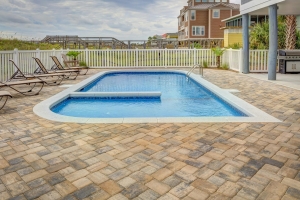
A pristine pool area is a major selling point, but ensuring it meets QLD safety standards is a legal requirement before settlement.
Understanding Your Legal Obligations: The Form 23 Requirement
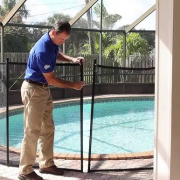
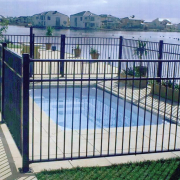
Selling a property with a swimming pool is not simply a matter of presentation and pricing. In Queensland, legislation requires vendors to obtain a valid pool safety certificate (Form 23) before settlement. This certificate confirms that the pool barrier, including fencing, gates, hinges, and latches, complies with applicable safety standards such as AS1926 compliance and current QLD pool safety laws.
What Happens During a Pool Compliance Inspection?
A professional pool safety inspection or pool compliance inspection evaluates critical elements like pool fence height requirements, non-climbable zones, gate self-closing performance, and self-latching mechanisms. While many owners assume their pool fence inspection will be straightforward, compliance failures are often linked to gradual changes rather than faulty construction.
Common Compliance Traps: Why Pool Fences Fail
For example, landscaping alterations can unintentionally reduce the effective barrier height. Raised soil levels, new paving, garden edging, or decking installations may create conditions where a once compliant fence is now too low. Similarly, garden beds, retaining walls, or decorative stone features built near the fence can compromise clearance requirements.
Another frequent issue involves climbable objects placed close to the pool fence. Pot plants, outdoor furniture, storage boxes, and pool equipment can create footholds that breach safety regulations. Even temporary items may result in a failed pool barrier inspection.
Vegetation growth also presents risks. Over time, trees and shrubs can become climbing hazards, with branches acting as ladders or dense foliage reducing barrier integrity. Renovations such as installing a barbecue or outdoor kitchen may further affect compliance by reducing clearances or altering sightlines.
Obtaining a pre-sale pool inspection ensures these risks are identified early. If issues arise, timely pool fence repairs, gate adjustments, or barrier modifications can prevent settlement delays. Ultimately, a valid pool compliance certificate protects both vendor and purchaser while ensuring the property meets legal obligations.